

Case Study
Defense Product Suite
Overview
I led UX design for a suite of classified enterprise tools supporting non-linear workflows across a dashboard of interconnected systems (hubs and spokes). Due to confidentiality constraints, this case study focuses on design strategy and outcomes rather than visual artifacts.
Role & Scope
Senior UX Designer
- Led interaction design and information architecture across complex product system
- Evolved a shared design system used across teams
- Facilitated alignment with product, engineering, and domain stakeholders
- Owned usability strategy for complex, high-stakes workflows
Tools: Figma, FigJam, Atlassian Suite
Design Challenges
- Users needed to configure and evaluate virtualization tests with many dependencies
- Workflows were non-linear and often crossed product boundaries
- High cognitive load due to system scale, interdependencies, and domain complexity
- Strong need for consistency and predictability in mission-critical environments
The core challenge was enabling expert users to move quickly and confidently without overwhelming them.

“Kyle has a remarkable ability to understand user needs and translate them into intuitive and engaging designs, from information architecture to polished mockups. His ability to communicate design concepts clearly and advocate for user needs has made a significant impact on our projects.”
Evan Jerome, Principal Engineer at IDT
Evan Jerome, Principal Engineer at IDT
Design Approach
Design System Leadership
I began by auditing the existing design system to identify which patterns users already trusted. Rather than introducing novel interactions, I focused on:
- Simplifying and standardizing existing patterns
- Eliminating extraneous variation between patterns
- Preserving familiar behaviors to reduce user-retraining fatigue
As new features were designed, components and patterns were intentionally folded back into the Figma library, allowing it to evolve into a scalable foundation. I also authored and refined usability guidelines to ensure consistent access and cross-team usability.
Complex Workflow & Configuration Design
A key product I designed was a tool (Battle Management Aid) that allowed users to assemble defense assets from an inventory, sequence them, and assess performance.
Key UX considerations included:
After configuration, users could run simulations to understand operational or geographic implications and compare the results to existing defense coverage. The design prioritized clarity, reversibility, and rapid comprehension.
A key product I designed was a tool (Battle Management Aid) that allowed users to assemble defense assets from an inventory, sequence them, and assess performance.
Key UX considerations included:
- Supporting experimentation of sequence performance
- Making outcomes visible before commitment through map renderings
- Providing clear performance feedback
After configuration, users could run simulations to understand operational or geographic implications and compare the results to existing defense coverage. The design prioritized clarity, reversibility, and rapid comprehension.
Information Architecture & Cognitive Load Reduction
Traditional linear step-by-step wizards proved cumbersome due to cross-product dependencies (e.g. data from elsewhere feeds into and informs the current workspace). To address this challenge, I focused on:
I helped design a dashboard that provided a system-level overview, allowing users to orient themselves without mentally reconstructing the entire process.
Traditional linear step-by-step wizards proved cumbersome due to cross-product dependencies (e.g. data from elsewhere feeds into and informs the current workspace). To address this challenge, I focused on:
- Capability to save configurations in one product and load them into another
- A centralized hub-like workspace
- Clear navigation indicators
I helped design a dashboard that provided a system-level overview, allowing users to orient themselves without mentally reconstructing the entire process.

“I was especially impressed by how Kyle handled situations where mixed messages were given—he never hesitated to reach out to stakeholders to find the source of truth.”
Megan Pardy, UX Designer at IDT
Megan Pardy, UX Designer at IDT
Collaboration & Validation
I used structured whiteboarding and wireframes to:
- Model complex system relationships
- Compare A/B interaction patterns
- Facilitate stakeholder decision-making
These artifacts enabled faster alignment and reduced downstream rework.
Impact
- Improved usability of complex, high-stakes enterprise tools
- Reduced cognitive load in non-linear workflows
- Strengthened and scaled a shared design system across products
- Delivered consistent, predictable UX in a mission-critical environment

“You’d be the second person I’d hire if I were to start my own company. My partner would be the first.”
Tomiko Thompson, Senior Systems Engineer at IDT
Tomiko Thompson, Senior Systems Engineer at IDT
Let’s get to work.
︎︎

Foundational Work
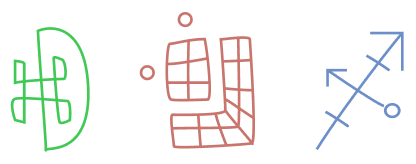
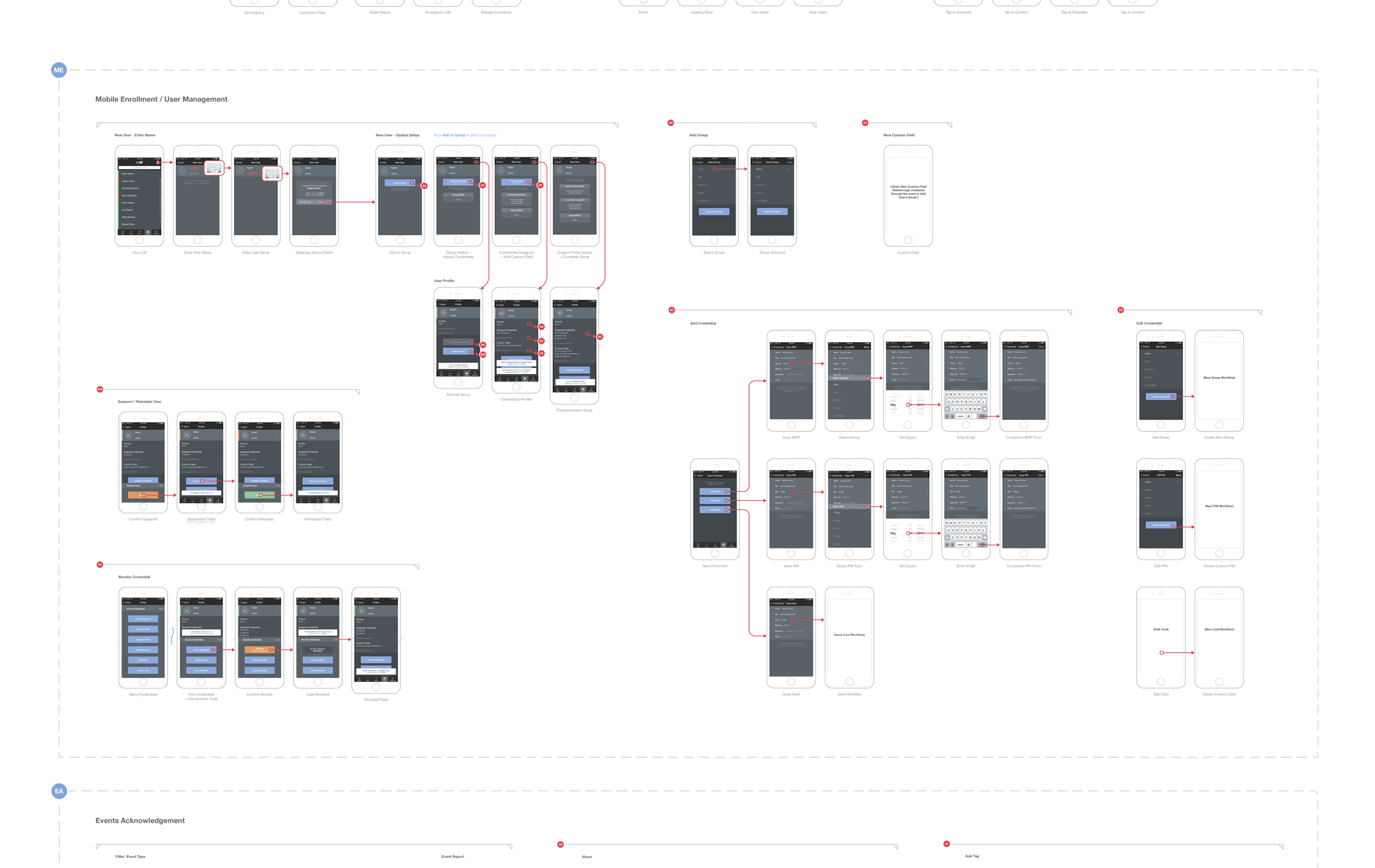
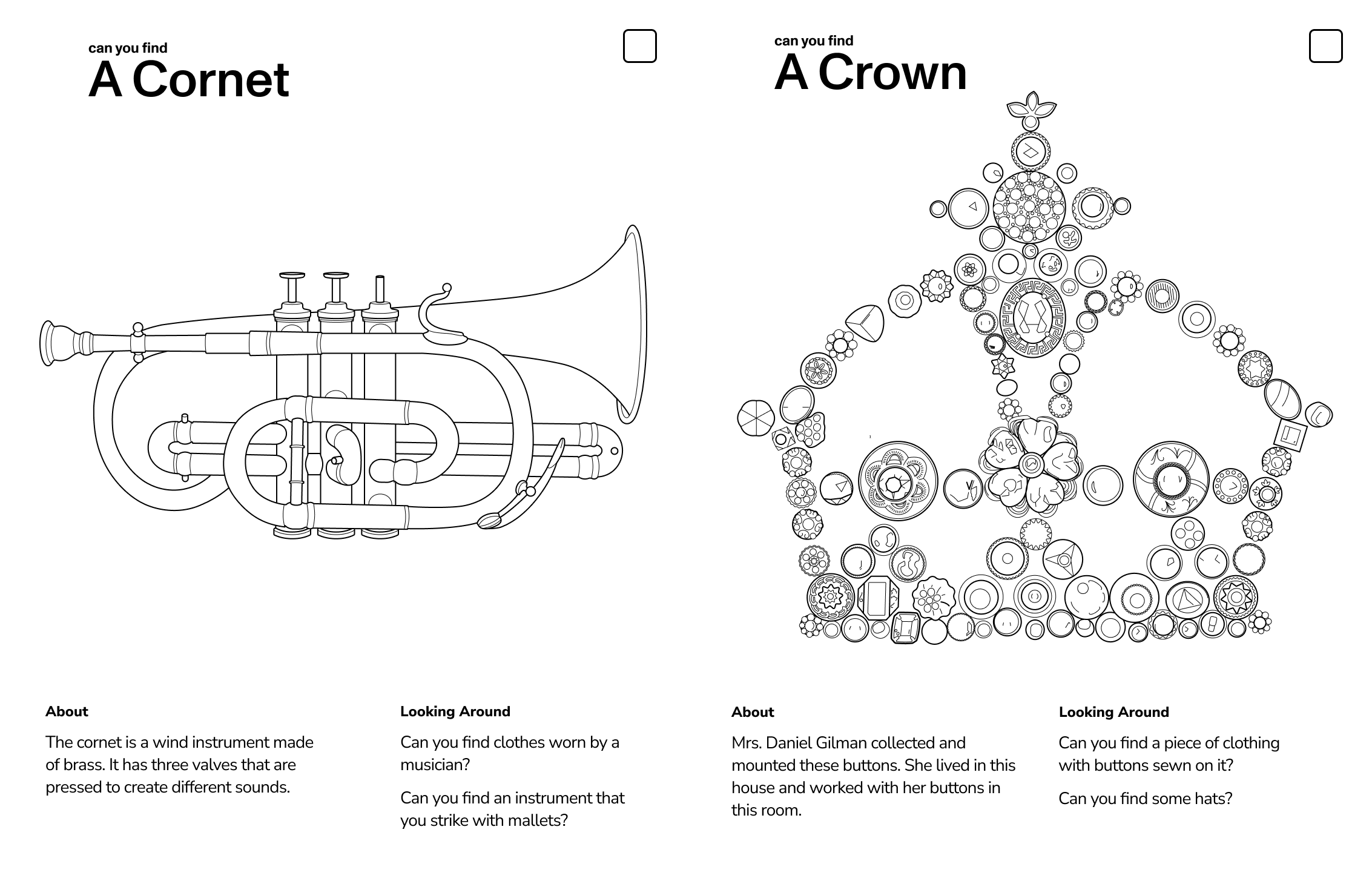
Artifacts, explorations, and a touch of illustration.


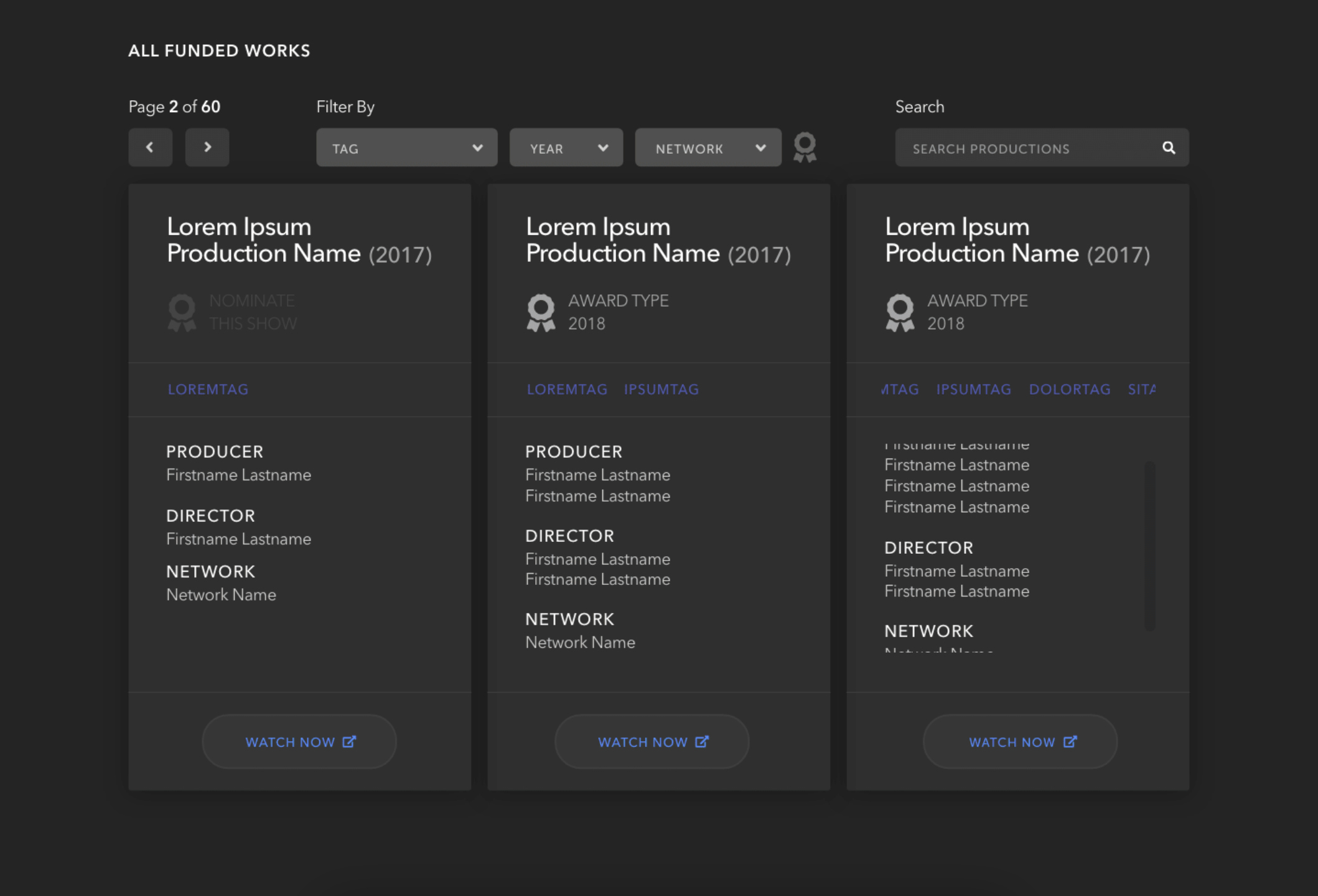


UX/UI Process
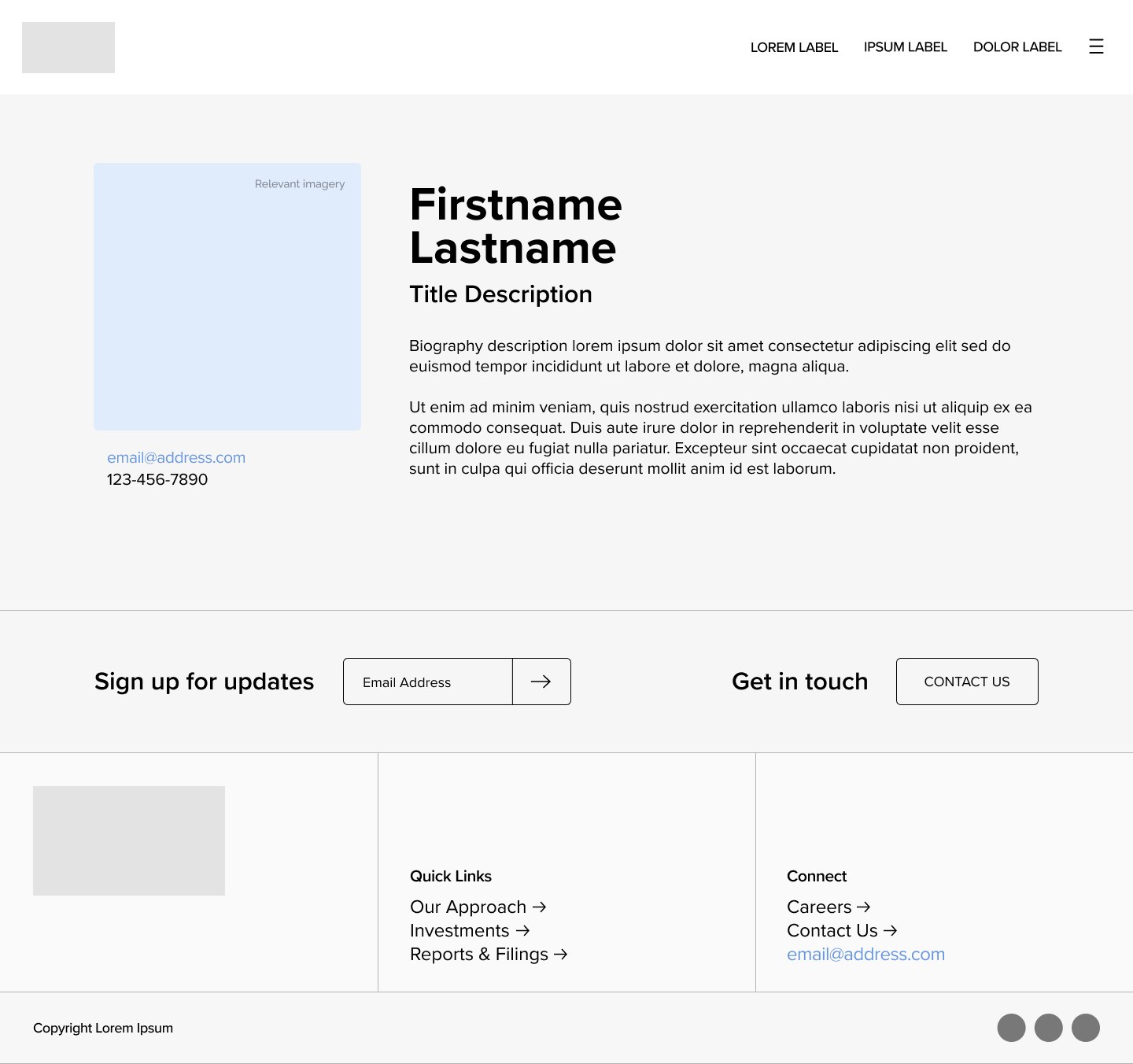
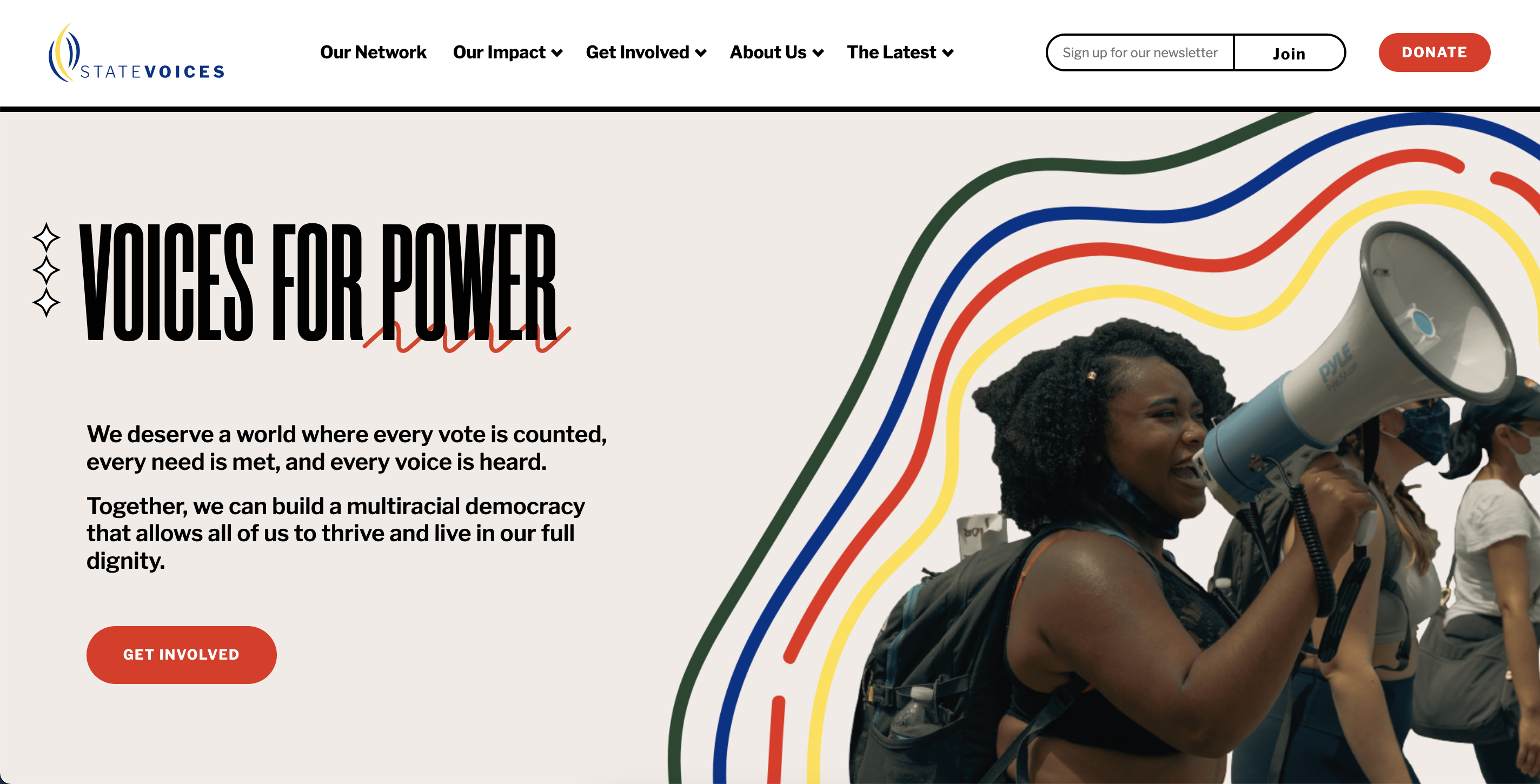
This deep-dive walks through the UX/UI Research and Design process as applied to the African American Alliance of CDFI CEOs Scorecard tool.
Check out the iterative, data-driven UX/UI process where prototypes evolve—through client conversations and internal feedback.
 This foundation has paved the way for recent iterations on the UX/UI process.
© M M X X VI
︎ many thanks to the engineers, developers, strategists, designers, project managers, creative directors, and clients with whom I’ve crossed paths
Foundational Work
Artifacts, explorations, and a touch of illustration.

UX/UI Process
This deep-dive walks through the UX/UI Research and Design process as applied to the African American Alliance of CDFI CEOs Scorecard tool.
Check out the iterative, data-driven UX/UI process where prototypes evolve—through client conversations and internal feedback.
This foundation has paved the way for recent iterations on the UX/UI process.© M M X X VI
︎ many thanks to the engineers, developers, strategists, designers, project managers, creative directors, and clients with whom I’ve crossed paths